RSS

Empty Rooms, New Possibilities

There are certain life transitions that arrive with a clear beginning.

Graduations, weddings, career changes, and retirements often come with a specific date that marks the start of a new chapter.

Becoming an empty nester is different.

For many parents, it happens gradually.

Children leave for university, move into their own homes, start careers, or begin families of their own. Visits become less frequent. Daily routines change. Family schedules that once revolved around school events, activities, and shared meals slowly begin to disappear.

Then one day, you notice something different.

The house feels quieter.

The bedrooms are empty.

The routines that shaped your life for decades have changed.

While this transition is often accompanied by pride and excitement for the opportunities ahead for your children, it can also bring unexpected emotions for parents who are adjusting to a very different season of life.

The reality is that empty nesting is about much more than an empty bedroom.

It is about navigating one of life's most significant transitions.
Why Empty Nesting Can Feel More Emotional Than Expected

Many parents anticipate the practical changes that come with children leaving home.

What often catches them by surprise are the emotional changes.

For years, parenting has influenced daily decisions, routines, priorities, and responsibilities. Much of life has been organized around supporting, guiding, and caring for children as they grow.

When that role changes, it is natural to experience a sense of adjustment.

Some parents describe feelings of sadness or loneliness. Others experience uncertainty about how to spend their time. Many find themselves questioning what this next stage of life will look like.

These feelings are not signs that something is wrong.

In fact, they often reflect the depth of love, commitment, and purpose that parenting has brought over the years.

When a role that has been central to your identity begins to evolve, it is natural to take time to rediscover what comes next.

The challenge is not that life has become less meaningful.

The challenge is that meaning is being expressed in a different way.

Looking Beyond What Has Changed

One of the most helpful mindset shifts during this transition is recognizing that empty nesting is not only about what has ended.

It is also about what has become possible.

For decades, many parents have devoted enormous amounts of time and energy to raising their families. That investment is one of life's most important responsibilities.

But as children become more independent, new opportunities begin to emerge.

Time becomes available in ways it may not have been for years.

Schedules become more flexible.

Personal interests that were set aside may become possible again.

Relationships that received less attention during busy parenting years can be strengthened.

The transition can feel uncomfortable at first because it involves change. Yet within that change often lies an opportunity to intentionally shape the next chapter of life.

The question becomes less about what has been lost and more about what can now be created.

Rediscovering Yourself Beyond the Parenting Role

One of the most rewarding aspects of this stage of life is the opportunity for rediscovery.

Many parents spend so many years caring for others that they rarely pause to consider their own aspirations, interests, and goals.

Empty nesting creates space for those conversations.

Perhaps there are hobbies you have always wanted to pursue. Maybe there are places you have hoped to visit, skills you have wanted to develop, or experiences you have postponed because family responsibilities came first.

For some individuals, this stage becomes an opportunity to volunteer, mentor others, become more active in their community, or deepen personal relationships.

For others, it becomes a chance to focus more intentionally on health, wellbeing, and personal growth.

There is no single path forward.

The important thing is recognizing that this chapter does not have to be defined by absence.

It can be defined by possibility.

Creating a Meaningful Next Chapter

One of the greatest misconceptions about empty nesting is the belief that it represents an ending.

In reality, it is often a transition.

The parenting role does not disappear. It simply changes.

Likewise, your opportunities for growth, contribution, and fulfillment continue to evolve.

The most successful transitions often happen when people approach this stage intentionally.

Rather than waiting for life to happen, they actively consider what they want the future to look like.

They ask meaningful questions.

What brings me fulfillment today?

How do I want to spend my time?

What relationships do I want to strengthen?

What experiences would I like to pursue?

What kind of life am I building in this next chapter?

These questions help shift attention away from what is no longer present and toward what is possible moving forward.
Final Thoughts

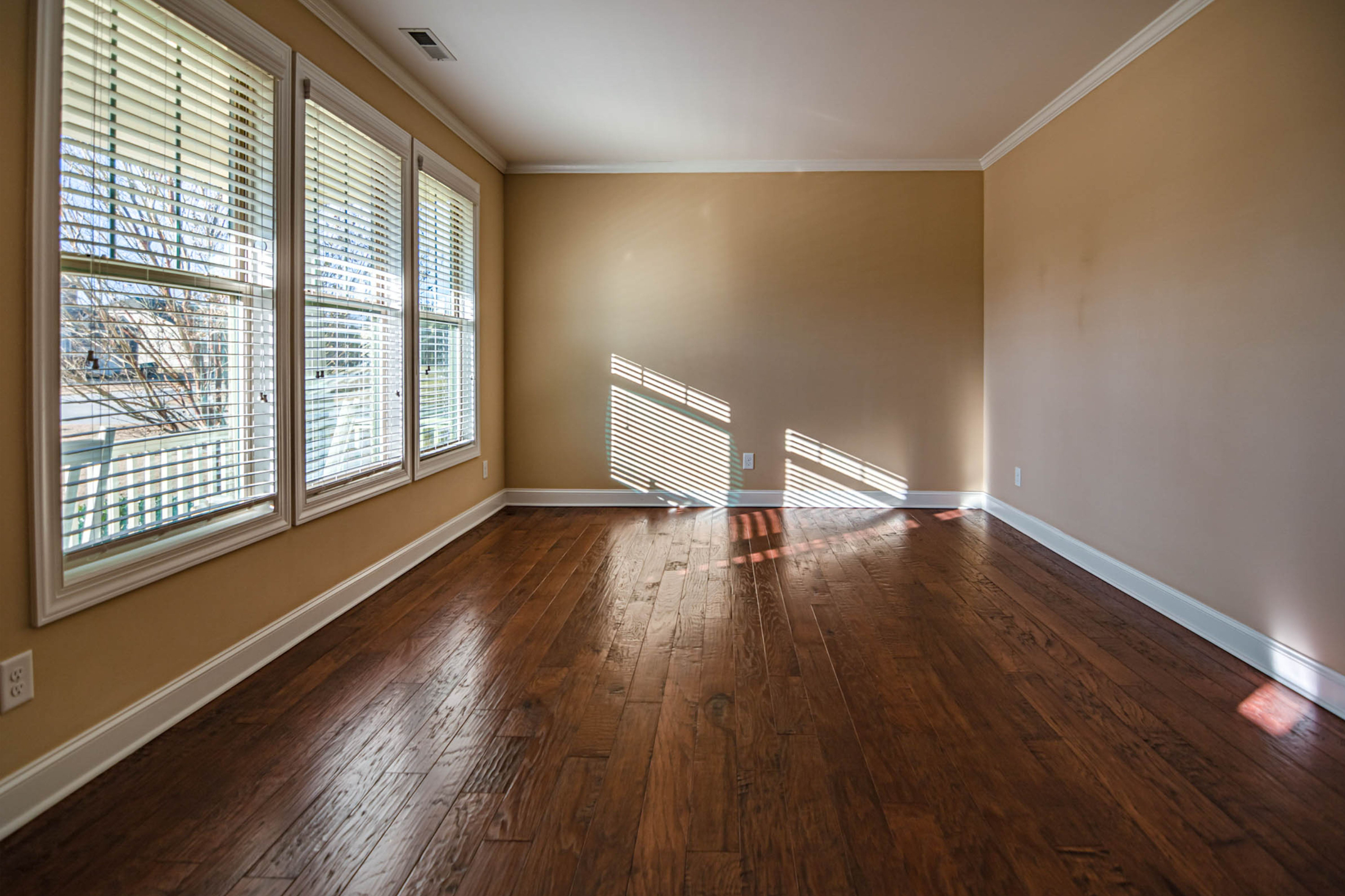
Empty rooms often carry powerful memories.

They remind us of the years spent raising children, supporting dreams, and building a family.

Those memories deserve to be celebrated.

But they do not have to define what comes next.

Every stage of life presents new opportunities for growth, purpose, and fulfillment. While the transition into empty nesting may feel uncertain at times, it can also become an invitation to reimagine the future.

The quietness that initially feels unfamiliar may eventually create space for new experiences, deeper relationships, and a renewed sense of purpose.

An empty room is not simply a reminder of what has changed.

It can also be a reminder of what is still possible.

Because while one chapter may be coming to a close, another is just beginning.


Read

Why the Family Home Isn't the Family Legacy

For many homeowners, the family home represents far more than a place to live.

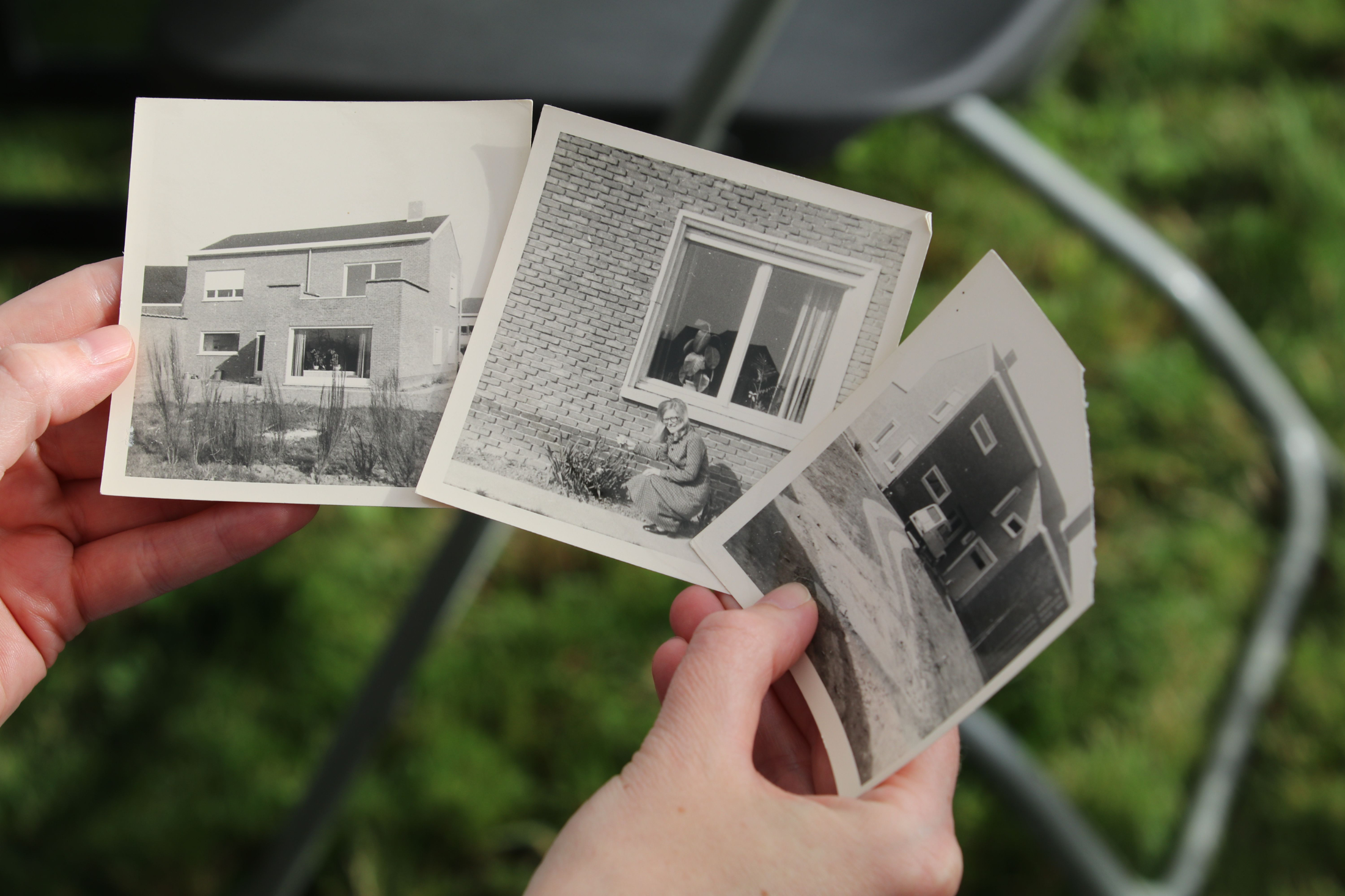
It is where children were raised, holidays were celebrated, and traditions were created. It holds decades of memories, milestones, and moments that helped shape a family's story.

Because of this, many people find themselves deeply attached to their homes—not simply because of the property itself, but because of what it represents.

As families enter new stages of life, particularly during retirement or empty nesting, an important question often emerges:

What exactly are we holding onto?

For some, the answer is obvious. The home provides comfort, familiarity, and a sense of connection to the past.

For others, however, the attachment runs deeper. The home becomes intertwined with their understanding of family legacy.

The challenge is that many people unknowingly begin to view the house as the legacy itself.

And while a home may play an important role in a family's story, it is rarely the legacy that family leaves behind.

Why We Attach Meaning to Places

Human beings naturally attach memories to places.

Certain rooms can instantly remind us of birthdays, family dinners, holiday gatherings, and important life events. Walking through a home can feel like flipping through a family photo album.

Every corner carries a story.

The kitchen where meals were shared.

The backyard where children played.

The dining room where generations gathered together.

These connections are meaningful and worth honoring.

But over time, emotional attachment can sometimes make it difficult to separate the memories from the physical structure itself.

We begin to feel as though preserving the home is the same as preserving the memories.

In reality, the two are not always the same thing.

What Family Legacy Actually Looks Like

When people reflect on their family history, they rarely focus on the square footage of a house.

Instead, they remember experiences.

They remember values.

They remember lessons that were passed down through generations.

They remember how people made them feel.

Legacy is often found in the traditions that continue long after a home has changed ownership.

It lives in family relationships.

It lives in stories shared around dinner tables.

It lives in the character, kindness, and wisdom that parents and grandparents pass on to future generations.

The physical home may serve as the setting for those moments, but it is not the source of them.

The true legacy exists within the people who carry those memories forward.

When Holding On No Longer Serves You

This distinction becomes particularly important during major life transitions.

Many empty nesters and retirees begin evaluating whether their current home still supports the lifestyle they want moving forward.

Yet even when they recognize that a change may make sense, they often hesitate because they worry about losing something meaningful.

The concern is understandable.

No one wants to feel as though they are abandoning a lifetime of memories.

But memories are not stored in walls, flooring, or property lines.

They are carried within families.

A move may change an address.

It does not erase a legacy.

In many cases, recognizing this truth allows homeowners to make decisions based on their current needs and future goals rather than feeling obligated to preserve a physical space that no longer aligns with their lifestyle.

Honoring the Past While Embracing the Future

There is nothing wrong with staying in a family home that continues to bring joy, comfort, and purpose.

Likewise, there is nothing wrong with choosing a new environment that better supports the next chapter of life.

The key is understanding that honoring the past and embracing the future are not mutually exclusive.

You do not have to choose one or the other.

You can celebrate the memories that were created in a home while also creating space for new experiences, new opportunities, and new adventures.

Life is not meant to remain frozen in a single chapter.

It is meant to evolve.

Final Thoughts

The family home may hold a special place in your heart.

It may always represent an important chapter in your family's story.

But the home itself is not the legacy.

The legacy is the love shared within it.

The values passed from one generation to the next.

The traditions that continue long after children have grown.

The relationships that remain strong regardless of where family members live.

Those things cannot be sold.

They cannot be packed into moving boxes.

And they certainly do not disappear when a family moves forward.

Because the most important things we leave behind were never tied to a house.

They were always carried within the people we love.


Read

A Home Built for a Family, A Life Ready for Something New

For many families, a home represents far more than a physical structure.

It is where children were raised, traditions were created, and life's most meaningful moments unfolded. Over the years, the family home becomes deeply connected to our identity. It reflects the life we've built, the sacrifices we've made, and the people who matter most to us.

For a long time, every room serves a purpose.

Bedrooms are occupied. The kitchen becomes a gathering place. The driveway fills with vehicles. Weekends revolve around family schedules, activities, and commitments. The home operates exactly as it was intended to.

But eventually, life begins to change.

Children grow up. They move out, start careers, build families of their own, and create lives beyond the walls of the home where they were raised. While this transition often brings pride and excitement, it can also create an unexpected shift in the way homeowners view the space around them.

The house hasn't changed.

But the life happening inside it has.

When the House Begins to Feel Different

For many empty nesters, the realization arrives gradually.

Perhaps there is a bedroom that remains untouched for weeks at a time. Maybe entire sections of the home are rarely used. Tasks that once felt routine—cleaning, maintenance, yard work, repairs—begin requiring more effort than they once did.

At first, these changes may seem insignificant.

But over time, they often lead to a larger question:

"Does this home still support the life I want to live moving forward?"

This question is not necessarily about size. Nor is it always about finances.

Instead, it is often about alignment.

The home that perfectly supported a growing family twenty years ago may not be the home that best supports your lifestyle today. Priorities evolve. Needs change. The way we choose to spend our time shifts as we enter different stages of life.

Recognizing this reality is not a sign that something is wrong.

It is simply an acknowledgment that life continues to move forward.

Why Letting Go Can Feel So Emotional

Even when homeowners recognize that a change may make sense, the emotional side of the decision can be difficult.

A family home contains memories that cannot be packed into boxes.

It may be where children celebrated birthdays, graduated from school, gathered for holidays, or returned home after important milestones. Every room can hold a story. Every corner can trigger a memory.

Because of this, decisions about downsizing often become much more than real estate decisions.

They become emotional decisions.

Many people worry that moving means leaving those memories behind. Others fear that downsizing somehow represents a loss or an ending.

In reality, the memories that matter most are not tied to square footage.

They travel with us.

The experiences, relationships, and moments that shaped our lives remain part of who we are regardless of where we live.

Sometimes recognizing this distinction makes it easier to evaluate a home based on current needs rather than past circumstances.

Downsizing Is About More Than Space

One of the biggest misconceptions surrounding downsizing is that it is primarily about reducing space.

In practice, many people discover it is actually about increasing freedom.

A home that requires less maintenance can create more flexibility. Fewer responsibilities can create more opportunities. Reduced upkeep can free time and energy for experiences that may have been postponed during busier years.

For some, this means traveling more often.

For others, it means spending additional time with grandchildren, pursuing hobbies, volunteering, or becoming more involved in their community.

The objective is not necessarily to own less.

The objective is to create a lifestyle that better reflects what matters most now.

This shift in perspective can transform the entire conversation.

Rather than asking, "What am I giving up?"

A more productive question may be, "What am I creating room for?"

What the Next Chapter Might Make Possible

One of the most exciting aspects of this stage of life is that it creates opportunities for reinvention.

For decades, responsibilities often dictated priorities. Careers, parenting, and household obligations naturally consumed much of our attention.

But when those responsibilities begin to change, new possibilities emerge.

Many people discover interests they never had time to pursue. Others deepen relationships, explore new experiences, or focus more intentionally on health and wellbeing.

The key is recognizing that downsizing is not simply a housing decision.

It is a lifestyle decision.

The right home can support the activities, relationships, and goals that define the years ahead.

In many cases, the decision to simplify physically can create greater capacity emotionally, mentally, and financially.

Questions Worth Asking Yourself

If you have begun wondering whether your current home still aligns with your future goals, it may be helpful to reflect on a few important questions:

  • How do I want to spend my time in the next five to ten years?

  • What aspects of my current home bring the most value to my life?

  • What aspects create unnecessary stress or responsibility?

  • If I were choosing a home based solely on my current lifestyle, would I choose the same one today?

  • What opportunities might become available if my living situation better reflected my current priorities?

These questions are not designed to lead to a specific answer.

Rather, they help create clarity around what matters most.

Final Thoughts

A family home can hold decades of memories, milestones, and meaning.

Those things deserve to be honored.

At the same time, every stage of life presents new opportunities and new priorities. The home that supported one chapter beautifully may not be the home that best supports the next.

That does not diminish its importance.

It simply reflects the reality that life continues to evolve.

The goal is not to move for the sake of moving.

The goal is to ensure that your home continues to support the lifestyle, experiences, and relationships that matter most.

After all, the best home is not necessarily the one you've lived in the longest.

It is the one that helps you live the life you want today—and in the years ahead.


Read

Why the Next Chapter of Life Deserves Just as Much Planning as the First

Most people spend years preparing for life's major milestones.

They plan for careers, marriages, raising children, purchasing homes, and building financial security. These transitions are often accompanied by clear goals, defined timelines, and a strong sense of purpose.

Yet surprisingly, many people spend far less time preparing for the next stage of life after those milestones have been achieved.

Retirement, empty nesting, and other lifestyle transitions often arrive gradually, making them easy to overlook. Unlike buying a first home or starting a new career, there is rarely a single moment that signals the beginning of this chapter. Instead, priorities begin to shift slowly over time.

Recognizing those changes is often the first step toward creating a future that feels intentional and fulfilling.

Recognizing When Priorities Begin to Change

As people move into new stages of life, their perspectives often evolve.

Activities that once felt essential may no longer hold the same appeal. Time becomes increasingly valuable. Convenience may become more important than space. Experiences often begin to take priority over possessions.

These shifts are completely natural.

They reflect personal growth, changing responsibilities, and a greater understanding of what truly contributes to happiness and quality of life.

Rather than ignoring these changes, homeowners and retirees can benefit from acknowledging them and using them as an opportunity to reevaluate long-term goals.

Why This Stage Deserves Thoughtful Planning

The next chapter of life deserves the same level of intention that people dedicate to earlier stages.

Instead of viewing this period as a winding down, it can be helpful to see it as a redesign. It is an opportunity to make decisions based on current values, interests, and aspirations rather than habits established decades earlier.

Thoughtful planning allows individuals to ask important questions such as:

  • How do I want to spend my time moving forward?

  • What activities bring me the greatest fulfillment?

  • Where do I want to live in the years ahead?

  • What kind of lifestyle best supports my goals?

  • How can I create more flexibility and freedom in daily life?

The answers to these questions often shape decisions that influence long-term happiness and well-being.

The Role of Housing in Future Planning

For many individuals, housing becomes an important part of the conversation.

The home that once supported a growing family may not necessarily align with present-day needs. Questions about maintenance responsibilities, accessibility, location, convenience, and lifestyle fit often become more relevant than they were in earlier decades.

This does not automatically mean a move is necessary.

For some homeowners, their current property continues to support their goals perfectly. For others, exploring alternative living arrangements may create opportunities for greater flexibility, comfort, and peace of mind.

The key is evaluating housing choices through the lens of future lifestyle rather than past circumstances.

Looking Beyond Real Estate

While housing is often part of the discussion, planning for the future extends far beyond where someone lives.

It also involves considering:

  • Family relationships and support systems

  • Community involvement and social connections

  • Travel opportunities and personal interests

  • Health and wellness priorities

  • Volunteer work, hobbies, and meaningful activities

  • Overall quality of life

Together, these factors shape how fulfilling and rewarding the years ahead can be.

The most successful transitions are often built on a clear understanding of what matters most and how to create a lifestyle that reflects those priorities.

The Benefits of Being Proactive

One of the most common observations among people who navigate major life transitions successfully is that they approach them proactively rather than reactively.

Instead of waiting for circumstances to force difficult decisions, they begin exploring possibilities early. They evaluate their priorities, gather information, and create a vision for what they want the future to look like.

This approach often leads to greater confidence and peace of mind.

Decisions become less about responding to unexpected challenges and more about pursuing opportunities that align with personal goals and values.

Designing the Life You Want to Live

The next chapter of life is not simply something that happens.

It is something that can be intentionally designed.

Whether that involves staying in a beloved family home, moving closer to loved ones, simplifying daily responsibilities, pursuing travel opportunities, or embracing entirely new experiences, the most important factor is ensuring that future decisions support the life you genuinely want to live.

Creating a meaningful future starts with understanding what matters most today.

Final Thoughts

Life's major milestones often receive significant attention and careful preparation. Yet the years that follow deserve the same level of thought, purpose, and planning.

The next chapter of life offers an opportunity to redefine priorities, embrace new possibilities, and create a lifestyle that reflects who you are today rather than who you were decades ago.

By approaching this transition with intention and clarity, individuals can build a future filled with greater fulfillment, flexibility, and confidence.

After all, the years ahead deserve just as much planning as the years that brought you to where you are today.


Read
This website may only be used by consumers that have a bona fide interest in the purchase, sale, or lease of real estate of the type being offered via the website. The data relating to real estate on this website comes in part from the MLS® Reciprocity program of the PropTx MLS®. The data is deemed reliable but is not guaranteed to be accurate.