Buying a home is often viewed as one of life's defining milestones.
For many people, it represents years of careful planning, financial discipline, and the excitement of finally having a place to call their own. It is where future holidays are imagined, where children may one day grow up, and where everyday routines slowly become lifelong memories. Whether it is a first home, a growing family's next chapter, or the fulfillment of a long-held dream, purchasing a home is often seen as the destination after years of hard work.
Because so much attention is given to reaching that milestone, it is easy to believe that the most important decision ends once the purchase is complete.
In reality, homeownership is rarely defined by a single moment.
It is shaped by the years that follow.
The home you purchase today will quietly witness career changes, growing families, celebrations, unexpected challenges, and countless ordinary moments that eventually become the memories you treasure most. Along the way, your priorities will almost certainly evolve. What once felt like the perfect home may continue serving you for decades, or it may eventually raise new questions about whether it still reflects the life you are living.
Neither outcome means your original decision was right or wrong.
It simply reflects the reality that life continues to change, even when the place we call home remains the same.
Thinking beyond the purchase is not about expecting to move someday or preparing for the worst. It is about recognizing that homeownership is an ongoing journey. The most thoughtful homeowners are not simply those who choose the right property at the right time. They are the ones who periodically pause to consider whether their home continues to support the life they want to build.
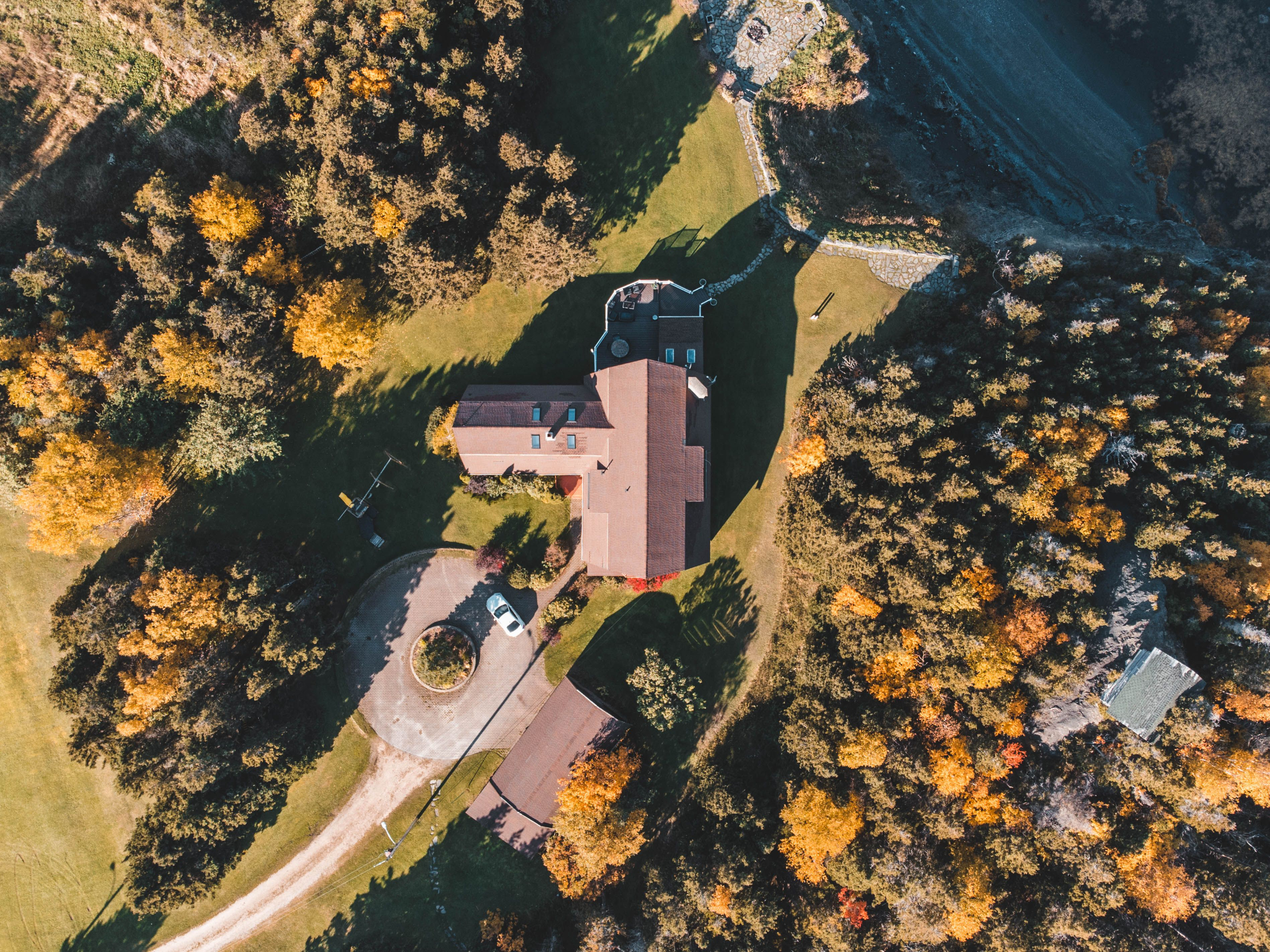
Homeownership Is Measured in Seasons, Not Moments
Buying a home is a milestone.
Living in one is a journey.
That distinction is easy to overlook because the excitement surrounding a home purchase often becomes the focus of the entire experience. There are inspections, paperwork, moving boxes, decorating projects, and the anticipation of starting fresh. Once those first few months have passed, however, life gradually settles into a rhythm that feels familiar.
Years begin to pass almost unnoticed.
Children grow taller. Careers evolve. Neighborhoods change. New friendships are formed while others fade. The routines that once filled every room slowly transform as families enter different stages of life.
The home quietly adapts to each of these moments.
A spare bedroom becomes a nursery. A playroom becomes a teenager's study space. Later, those same rooms may become guest bedrooms, home offices, or simply remain unused for much of the year. The house itself changes very little, yet its purpose continues to evolve alongside the people living within it.
This is one of the most remarkable aspects of homeownership.
A home is rarely static because life is never static.
Understanding this helps shift the way we think about ownership. Rather than asking whether a home is the perfect fit forever, it becomes more meaningful to ask whether it continues to support the season of life you are currently living.

The Home That Fits One Chapter May Not Fit the Next
Many homeowners feel a sense of guilt when they begin questioning whether their current home still meets their needs.
Some wonder if they are being ungrateful for considering a move after spending years building memories there. Others assume that because they once called it their dream home, they should continue feeling exactly the same way decades later.
Life rarely works that way.
The home that perfectly supported a growing family may feel very different after children leave home. A property that once offered plenty of room for entertaining may begin requiring more maintenance than its owners wish to manage. Retirement may shift priorities away from commuting and toward travel, hobbies, or spending more time with loved ones. Health considerations may influence how practical certain layouts feel, while career opportunities or changing family circumstances can alter where people want to live.
None of these situations suggest that the home has failed.
In many ways, it has succeeded.
It supported you through the chapter for which it was chosen.
The question is not whether the home was the right decision years ago. The more important question is whether it continues supporting the life you want to live today.
Recognizing this distinction allows homeowners to view change not as abandoning the past, but as responding thoughtfully to the future.

Looking Beyond Today's Needs
One of the greatest advantages homeowners have is time.
Unlike many important decisions that must be made quickly, housing decisions often provide the opportunity to think several years ahead.
That perspective can be incredibly valuable.
When purchasing a home, it is natural to focus on immediate priorities such as space, affordability, commuting distance, or school districts. Those considerations matter because they shape everyday life.
At the same time, it is equally worthwhile to think about how those priorities may evolve.
Will the home still feel practical if daily routines change?
How manageable will ongoing maintenance be in ten or fifteen years?
Would the location continue supporting the lifestyle you hope to enjoy in retirement?
If family circumstances change unexpectedly, would the home still provide flexibility?
These are not questions that require immediate answers.
Instead, they encourage homeowners to view their property not simply as a place that meets today's needs, but as something that should continue serving them as life evolves.
Thinking this way often leads to more confident decisions because it broadens the conversation beyond the present moment.

Planning Creates Freedom, Not Pressure
The word "planning" sometimes creates the impression that important decisions must already be made.
In reality, thoughtful planning rarely works that way.
Planning is not deciding that you will eventually sell your home.
Planning is understanding the possibilities before circumstances make the decision feel urgent.
Homeowners who periodically evaluate their long-term goals often discover they have greater flexibility when life changes. They have already considered how their home fits into their retirement plans, what role it may play in supporting family members, whether maintaining the property continues to align with their lifestyle, and how they hope to spend the years ahead.
Sometimes those conversations confirm that remaining exactly where they are is the right choice.
Other times they reveal opportunities that had never been considered before.
Both outcomes have value.
The goal is not to create pressure for change.
The goal is to ensure that future decisions are guided by intention rather than necessity.

A Home Should Grow With You
Perhaps the most overlooked aspect of homeownership is that a home should continue supporting the people who live within it.
That support extends far beyond providing shelter.
A home influences daily routines, financial well-being, relationships, leisure time, and the opportunities available throughout different stages of life. It should make the life you want to live feel more achievable rather than more difficult to maintain.
Sometimes that means remaining in the same home for decades because it continues serving your goals beautifully.
At other times, it means recognizing that another home may better reflect your current priorities.
Neither decision represents success or failure.
They simply acknowledge that the definition of the right home can change as the definition of the right life changes alongside it.
Approaching homeownership with that mindset encourages flexibility rather than attachment to a single outcome.
Instead of asking whether you will always live in the same house, it becomes more meaningful to ask whether your home continues helping you live the life you value most.

Final Thoughts
Buying a home is one of life's most meaningful achievements, but it is only the beginning of a much longer story.
The years that follow are filled with changing priorities, evolving relationships, new opportunities, and unexpected transitions that gradually reshape what we need from the place we call home.
The most thoughtful homeowners recognize that homeownership is not defined solely by the day they received the keys. It is shaped by the decisions they continue making as life unfolds around them.
Thinking beyond the purchase is not about anticipating the next move.
It is about ensuring that your home continues supporting the person, family, and future you are becoming.
When viewed through that perspective, homeownership becomes more than owning property.
It becomes the ongoing process of creating a life that feels meaningful through every season that follows.