
Most people spend years preparing for life's major milestones.
They plan for careers, marriages, raising children, purchasing homes, and building financial security. These transitions are often accompanied by clear goals, defined timelines, and a strong sense of purpose.
Yet surprisingly, many people spend far less time preparing for the next stage of life after those milestones have been achieved.
Retirement, empty nesting, and other lifestyle transitions often arrive gradually, making them easy to overlook. Unlike buying a first home or starting a new career, there is rarely a single moment that signals the beginning of this chapter. Instead, priorities begin to shift slowly over time.
Recognizing those changes is often the first step toward creating a future that feels intentional and fulfilling.

Recognizing When Priorities Begin to Change
As people move into new stages of life, their perspectives often evolve.
Activities that once felt essential may no longer hold the same appeal. Time becomes increasingly valuable. Convenience may become more important than space. Experiences often begin to take priority over possessions.
These shifts are completely natural.
They reflect personal growth, changing responsibilities, and a greater understanding of what truly contributes to happiness and quality of life.
Rather than ignoring these changes, homeowners and retirees can benefit from acknowledging them and using them as an opportunity to reevaluate long-term goals.

Why This Stage Deserves Thoughtful Planning
The next chapter of life deserves the same level of intention that people dedicate to earlier stages.
Instead of viewing this period as a winding down, it can be helpful to see it as a redesign. It is an opportunity to make decisions based on current values, interests, and aspirations rather than habits established decades earlier.
Thoughtful planning allows individuals to ask important questions such as:
How do I want to spend my time moving forward?
What activities bring me the greatest fulfillment?
Where do I want to live in the years ahead?
What kind of lifestyle best supports my goals?
How can I create more flexibility and freedom in daily life?
The answers to these questions often shape decisions that influence long-term happiness and well-being.

The Role of Housing in Future Planning
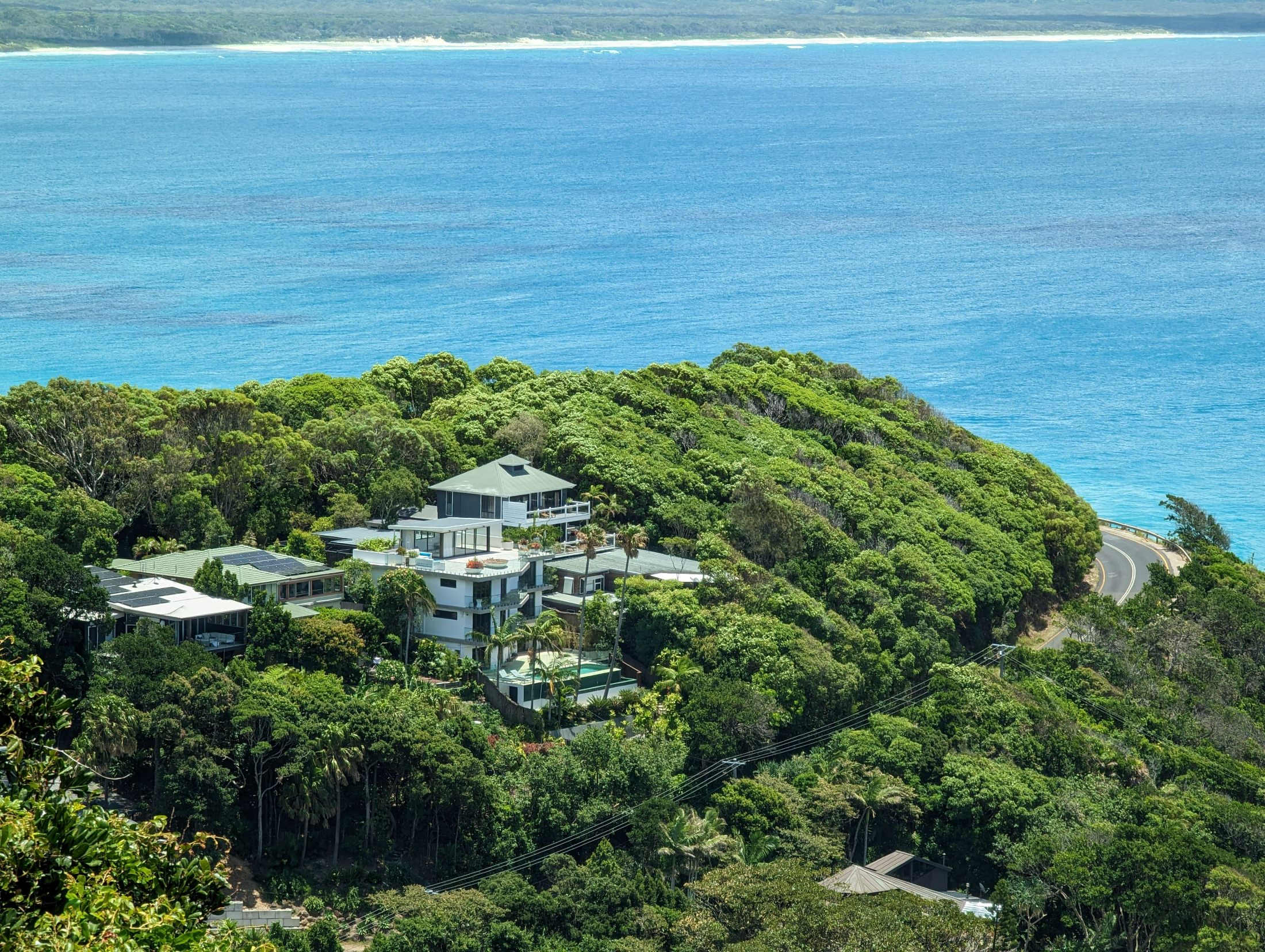
For many individuals, housing becomes an important part of the conversation.
The home that once supported a growing family may not necessarily align with present-day needs. Questions about maintenance responsibilities, accessibility, location, convenience, and lifestyle fit often become more relevant than they were in earlier decades.
This does not automatically mean a move is necessary.
For some homeowners, their current property continues to support their goals perfectly. For others, exploring alternative living arrangements may create opportunities for greater flexibility, comfort, and peace of mind.
The key is evaluating housing choices through the lens of future lifestyle rather than past circumstances.
Looking Beyond Real Estate
While housing is often part of the discussion, planning for the future extends far beyond where someone lives.
It also involves considering:
Family relationships and support systems
Community involvement and social connections
Travel opportunities and personal interests
Health and wellness priorities
Volunteer work, hobbies, and meaningful activities
Overall quality of life
Together, these factors shape how fulfilling and rewarding the years ahead can be.
The most successful transitions are often built on a clear understanding of what matters most and how to create a lifestyle that reflects those priorities.

The Benefits of Being Proactive
One of the most common observations among people who navigate major life transitions successfully is that they approach them proactively rather than reactively.
Instead of waiting for circumstances to force difficult decisions, they begin exploring possibilities early. They evaluate their priorities, gather information, and create a vision for what they want the future to look like.
This approach often leads to greater confidence and peace of mind.
Decisions become less about responding to unexpected challenges and more about pursuing opportunities that align with personal goals and values.
Designing the Life You Want to Live
The next chapter of life is not simply something that happens.
It is something that can be intentionally designed.
Whether that involves staying in a beloved family home, moving closer to loved ones, simplifying daily responsibilities, pursuing travel opportunities, or embracing entirely new experiences, the most important factor is ensuring that future decisions support the life you genuinely want to live.
Creating a meaningful future starts with understanding what matters most today.

Final Thoughts
Life's major milestones often receive significant attention and careful preparation. Yet the years that follow deserve the same level of thought, purpose, and planning.
The next chapter of life offers an opportunity to redefine priorities, embrace new possibilities, and create a lifestyle that reflects who you are today rather than who you were decades ago.
By approaching this transition with intention and clarity, individuals can build a future filled with greater fulfillment, flexibility, and confidence.
After all, the years ahead deserve just as much planning as the years that brought you to where you are today.
