
For many families, a home represents far more than a physical structure.
It is where children were raised, traditions were created, and life's most meaningful moments unfolded. Over the years, the family home becomes deeply connected to our identity. It reflects the life we've built, the sacrifices we've made, and the people who matter most to us.
For a long time, every room serves a purpose.
Bedrooms are occupied. The kitchen becomes a gathering place. The driveway fills with vehicles. Weekends revolve around family schedules, activities, and commitments. The home operates exactly as it was intended to.
But eventually, life begins to change.
Children grow up. They move out, start careers, build families of their own, and create lives beyond the walls of the home where they were raised. While this transition often brings pride and excitement, it can also create an unexpected shift in the way homeowners view the space around them.
The house hasn't changed.
But the life happening inside it has.
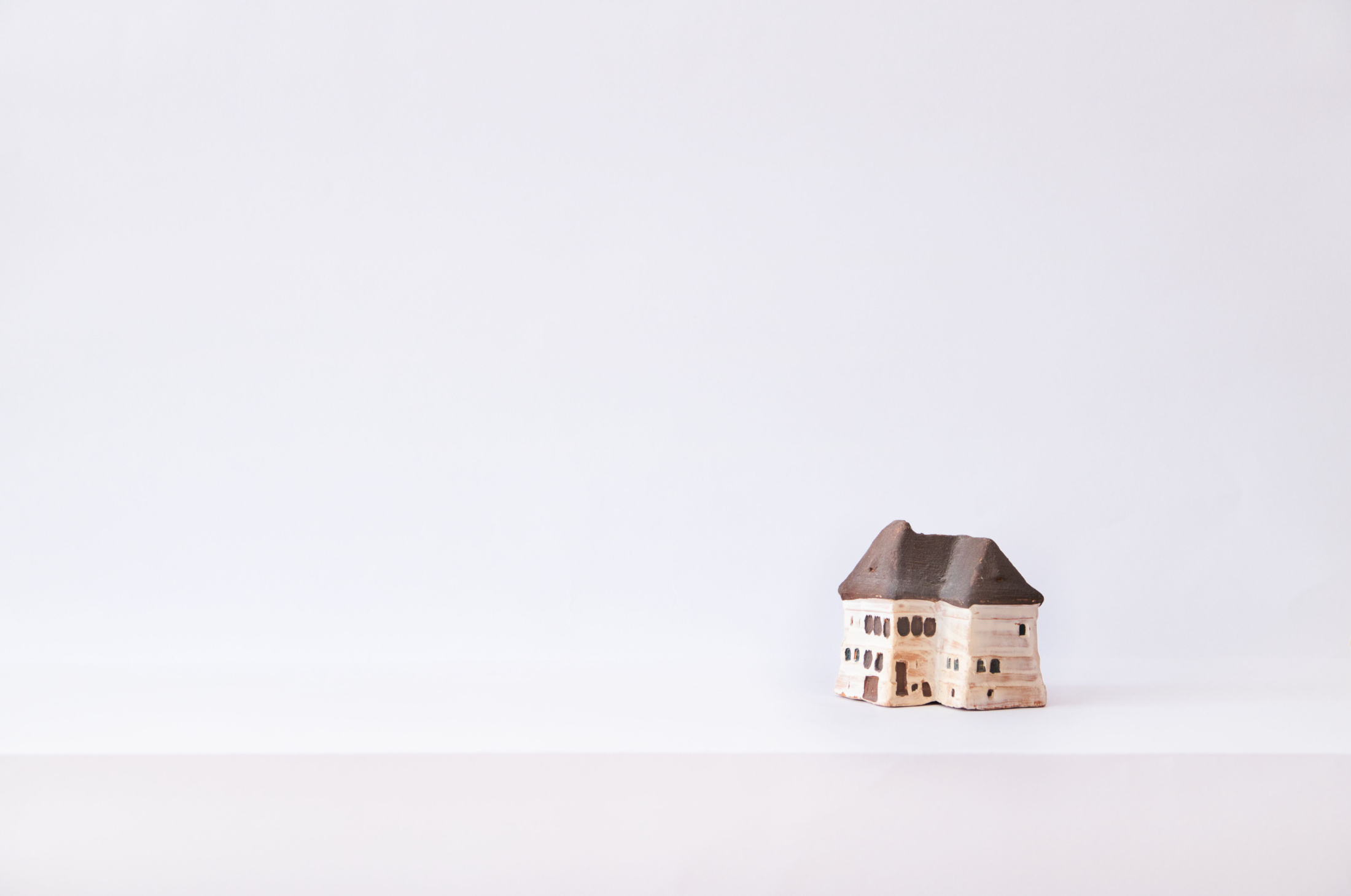
When the House Begins to Feel Different
For many empty nesters, the realization arrives gradually.
Perhaps there is a bedroom that remains untouched for weeks at a time. Maybe entire sections of the home are rarely used. Tasks that once felt routine—cleaning, maintenance, yard work, repairs—begin requiring more effort than they once did.
At first, these changes may seem insignificant.
But over time, they often lead to a larger question:
"Does this home still support the life I want to live moving forward?"
This question is not necessarily about size. Nor is it always about finances.
Instead, it is often about alignment.
The home that perfectly supported a growing family twenty years ago may not be the home that best supports your lifestyle today. Priorities evolve. Needs change. The way we choose to spend our time shifts as we enter different stages of life.
Recognizing this reality is not a sign that something is wrong.
It is simply an acknowledgment that life continues to move forward.

Why Letting Go Can Feel So Emotional
Even when homeowners recognize that a change may make sense, the emotional side of the decision can be difficult.
A family home contains memories that cannot be packed into boxes.
It may be where children celebrated birthdays, graduated from school, gathered for holidays, or returned home after important milestones. Every room can hold a story. Every corner can trigger a memory.
Because of this, decisions about downsizing often become much more than real estate decisions.
They become emotional decisions.
Many people worry that moving means leaving those memories behind. Others fear that downsizing somehow represents a loss or an ending.
In reality, the memories that matter most are not tied to square footage.
They travel with us.
The experiences, relationships, and moments that shaped our lives remain part of who we are regardless of where we live.
Sometimes recognizing this distinction makes it easier to evaluate a home based on current needs rather than past circumstances.
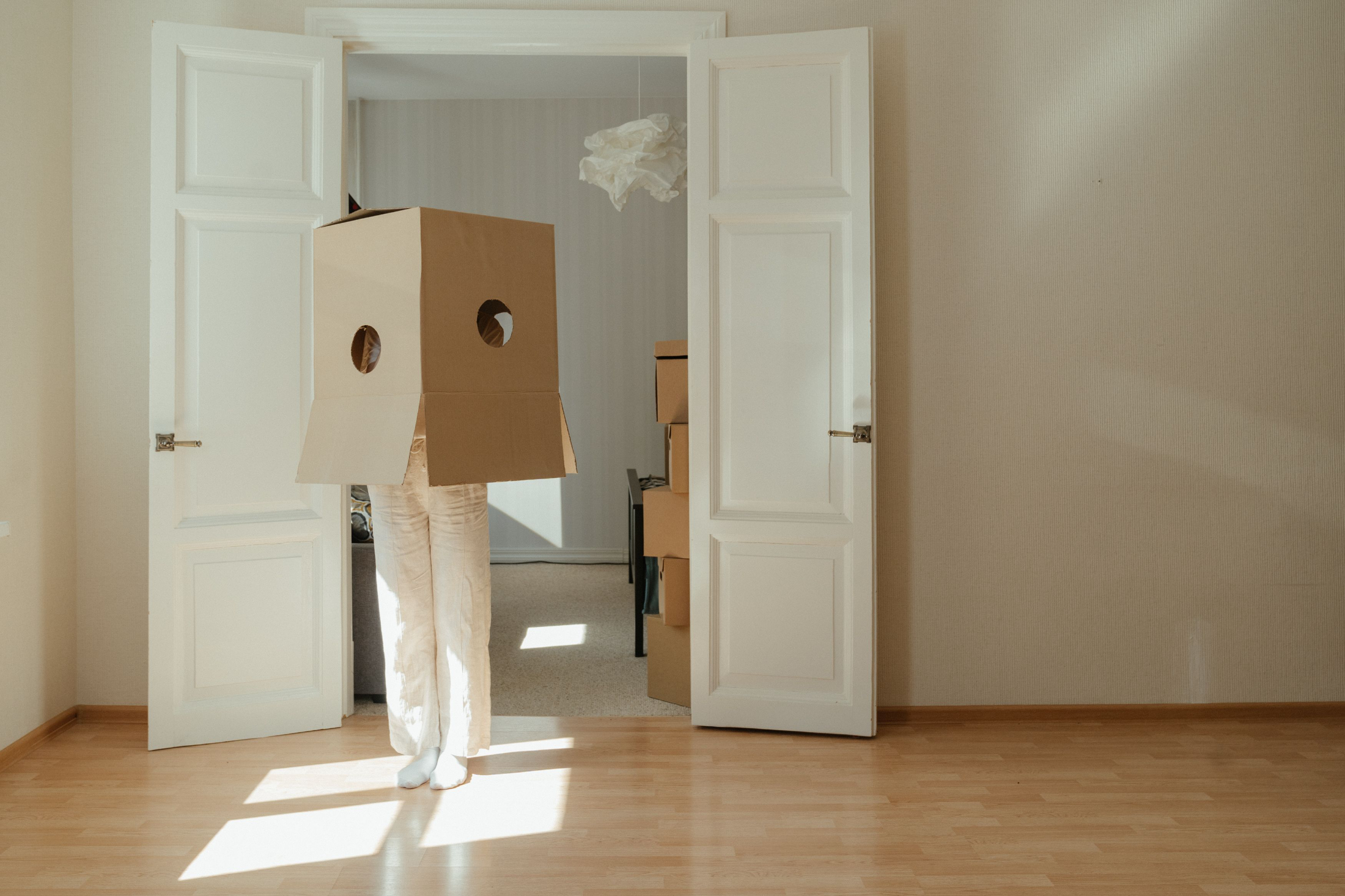
Downsizing Is About More Than Space
One of the biggest misconceptions surrounding downsizing is that it is primarily about reducing space.
In practice, many people discover it is actually about increasing freedom.
A home that requires less maintenance can create more flexibility. Fewer responsibilities can create more opportunities. Reduced upkeep can free time and energy for experiences that may have been postponed during busier years.
For some, this means traveling more often.
For others, it means spending additional time with grandchildren, pursuing hobbies, volunteering, or becoming more involved in their community.
The objective is not necessarily to own less.
The objective is to create a lifestyle that better reflects what matters most now.
This shift in perspective can transform the entire conversation.
Rather than asking, "What am I giving up?"
A more productive question may be, "What am I creating room for?"

What the Next Chapter Might Make Possible
One of the most exciting aspects of this stage of life is that it creates opportunities for reinvention.
For decades, responsibilities often dictated priorities. Careers, parenting, and household obligations naturally consumed much of our attention.
But when those responsibilities begin to change, new possibilities emerge.
Many people discover interests they never had time to pursue. Others deepen relationships, explore new experiences, or focus more intentionally on health and wellbeing.
The key is recognizing that downsizing is not simply a housing decision.
It is a lifestyle decision.
The right home can support the activities, relationships, and goals that define the years ahead.
In many cases, the decision to simplify physically can create greater capacity emotionally, mentally, and financially.

Questions Worth Asking Yourself
If you have begun wondering whether your current home still aligns with your future goals, it may be helpful to reflect on a few important questions:
How do I want to spend my time in the next five to ten years?
What aspects of my current home bring the most value to my life?
What aspects create unnecessary stress or responsibility?
If I were choosing a home based solely on my current lifestyle, would I choose the same one today?
What opportunities might become available if my living situation better reflected my current priorities?
These questions are not designed to lead to a specific answer.
Rather, they help create clarity around what matters most.
Final Thoughts
A family home can hold decades of memories, milestones, and meaning.
Those things deserve to be honored.
At the same time, every stage of life presents new opportunities and new priorities. The home that supported one chapter beautifully may not be the home that best supports the next.
That does not diminish its importance.
It simply reflects the reality that life continues to evolve.
The goal is not to move for the sake of moving.
The goal is to ensure that your home continues to support the lifestyle, experiences, and relationships that matter most.
After all, the best home is not necessarily the one you've lived in the longest.
It is the one that helps you live the life you want today—and in the years ahead.
