Buying your dream home is one of life's biggest milestones. It's the culmination of years of hard work, careful planning, and the excitement of building a future. The house you chose wasn't just about bedrooms, bathrooms, or square footage—it represented your hopes, your priorities, and the life you wanted to create for yourself and your family.
But life has a way of changing our perspective. Careers evolve, families grow, children leave home, retirement becomes a reality, and new priorities begin to shape the way we live. While the walls of your home may remain the same, the person living inside them is constantly changing.
That's why it's worth asking an important question: If you were searching for a home today, would you choose the one you're living in now? It's not about regretting the past or feeling dissatisfied with what you've built. Instead, it's about recognizing that your dream home isn't necessarily a lifelong destination—it can evolve just as you do.
The idea of a "dream home" isn't fixed. It's deeply connected to the season of life you're in. What felt perfect ten years ago may not be what you need today, and that's completely normal. Understanding that truth can help you make thoughtful decisions about your future instead of holding onto expectations that no longer fit your life.
The Home That Matched Your Dreams
Think back to when you first bought your home. Chances are, every decision reflected the goals you had at that point in your life.
Maybe you needed extra bedrooms because you were starting a family. Perhaps being close to work was your highest priority, or you wanted a large backyard where your children could play. Every room represented a dream that made sense for the life you were building.
Those weren't the wrong decisions—they were exactly the right ones for that chapter.
The challenge is that many homeowners assume those same priorities should remain unchanged forever. We often feel pressure to stay committed to the home we worked so hard to buy, even when our lives have naturally evolved beyond what that home was originally designed to support.
The truth is, your home reflects the version of yourself who purchased it. As you grow, your needs, routines, and aspirations naturally change too.

Life Changes Faster Than Houses Do
One of the most fascinating things about homeownership is that while a house changes very little over time, the people living inside it change constantly.
Children grow into adults. Career opportunities shift. Some people begin working remotely, while others prepare for retirement. Parents may eventually move in, or children may move out. Even personal interests evolve as we discover new hobbies, travel more often, or begin prioritizing experiences over possessions.
These changes rarely happen overnight.
Instead, they happen gradually until one day you notice that rooms go unused, maintaining the property feels more like a chore than a joy, or your daily routine would simply be easier somewhere else.
These aren't signs that your home has failed you.
They're reminders that you've entered a different season of life.
A home that once supported your goals beautifully may no longer align with where you're headed next—and that's perfectly okay.
Redefining What a Dream Home Really Means
When we're younger, it's easy to associate a dream home with having more—more space, more rooms, more upgrades, or more impressive features.
Over time, however, many homeowners discover that their priorities become surprisingly different.
Convenience begins to matter more than size. Walkability becomes more valuable than a large backyard. A home that's easier to maintain suddenly feels more appealing than one that requires constant upkeep.
For some, the dream is moving closer to family. For others, it's creating a dedicated home office, reducing monthly expenses, or living in a community that better supports their lifestyle.
A dream home isn't defined by price or prestige.
It's defined by how well it supports the way you want to live today.
Giving yourself permission to redefine what success looks like isn't giving up on your dream—it's updating it to reflect who you've become.
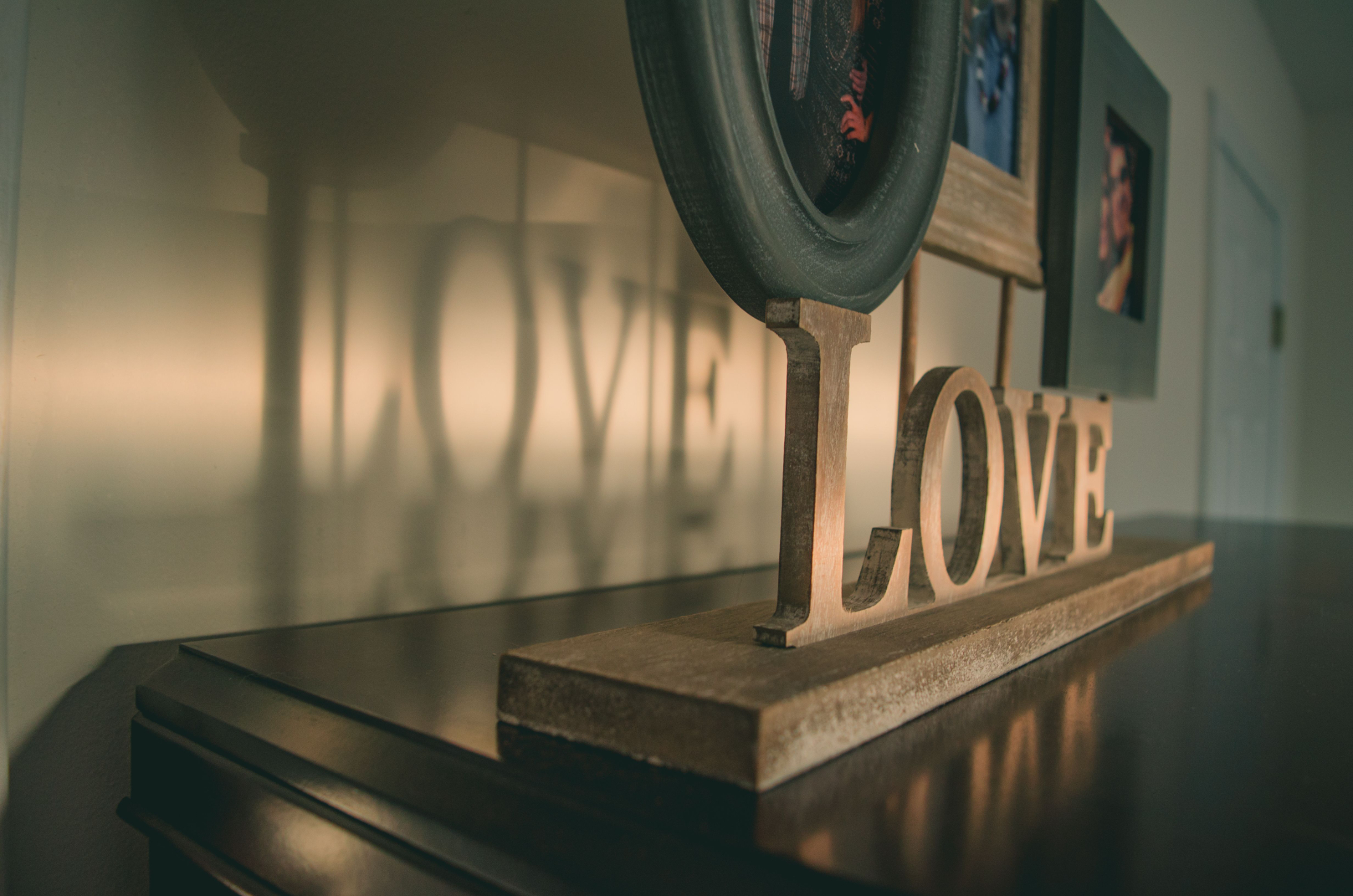
Letting Go of the Idea That You Have to Stay Forever
Many homeowners remain in the same home simply because leaving feels like admitting they made the wrong choice.
But that's rarely the case.
Choosing a home that served your family well for ten or twenty years is something to celebrate. It means that house fulfilled its purpose during an important chapter of your life.
The memories you created there don't disappear simply because you decide to begin a new chapter somewhere else.
Home isn't measured by how long you've lived within the same walls.
It's measured by the life you've built inside them.
Sometimes staying is absolutely the right decision. Other times, moving allows you to create a lifestyle that's more aligned with your current goals. Neither choice is inherently better than the other—the key is making the decision intentionally rather than automatically.
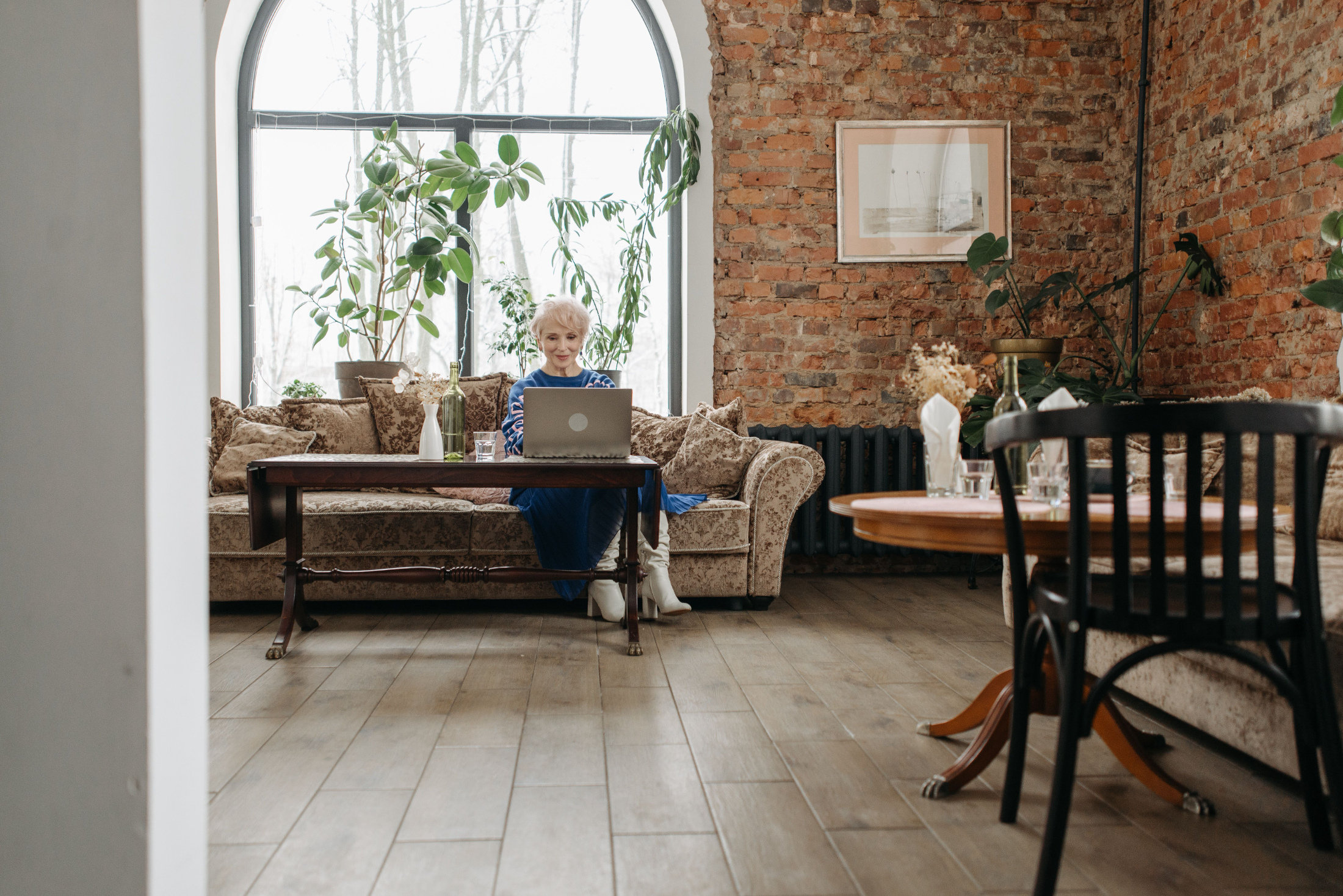
A Home Should Grow With You
Every stage of life brings new opportunities, challenges, and dreams. The place you call home should continue supporting those changes rather than making them more difficult.
Whether your priorities have shifted toward spending more time with family, reducing maintenance, preparing for retirement, or creating space for new adventures, your home should help make those goals possible.
There's no rule that says your dream home has to remain the same forever.
In fact, allowing it to evolve may be one of the healthiest decisions you can make as a homeowner.
The goal isn't to chase something bigger or newer.
The goal is to create a life that feels more fulfilling, supported by a home that truly fits the person you've become.
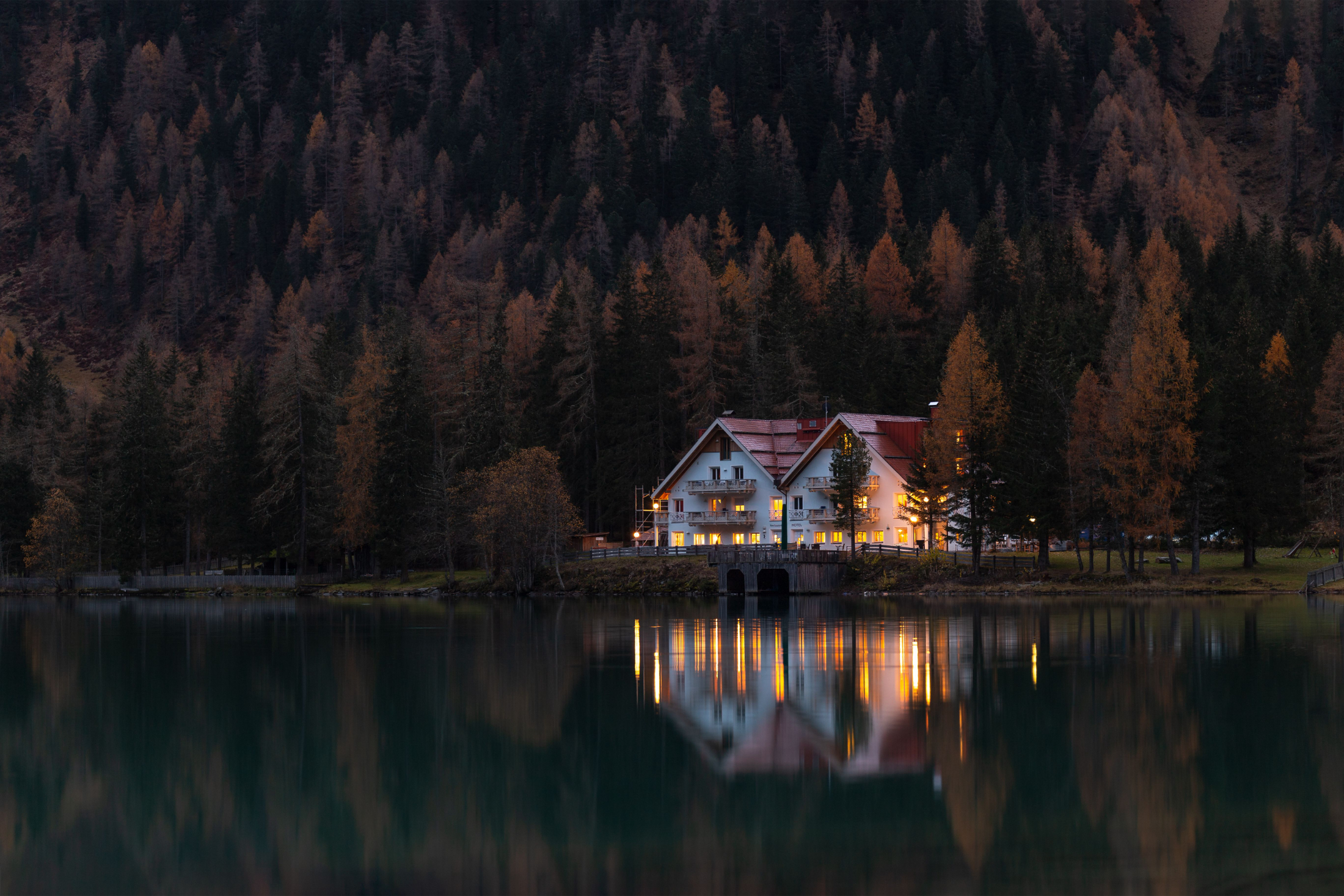
Take a Moment to Reflect
As you think about your own home, ask yourself a few simple questions:
If you were house hunting today, would you choose your current home again?
Which parts of your home still bring you joy?
Which parts create frustration or no longer serve your lifestyle?
What does your next chapter look like, and does your home support that vision?
There are no right or wrong answers. These questions aren't meant to convince you to move—they're meant to help you evaluate whether your home still reflects the life you want to live.
Sometimes the answer is yes, and that's a wonderful realization. Other times, it opens the door to conversations about what comes next.
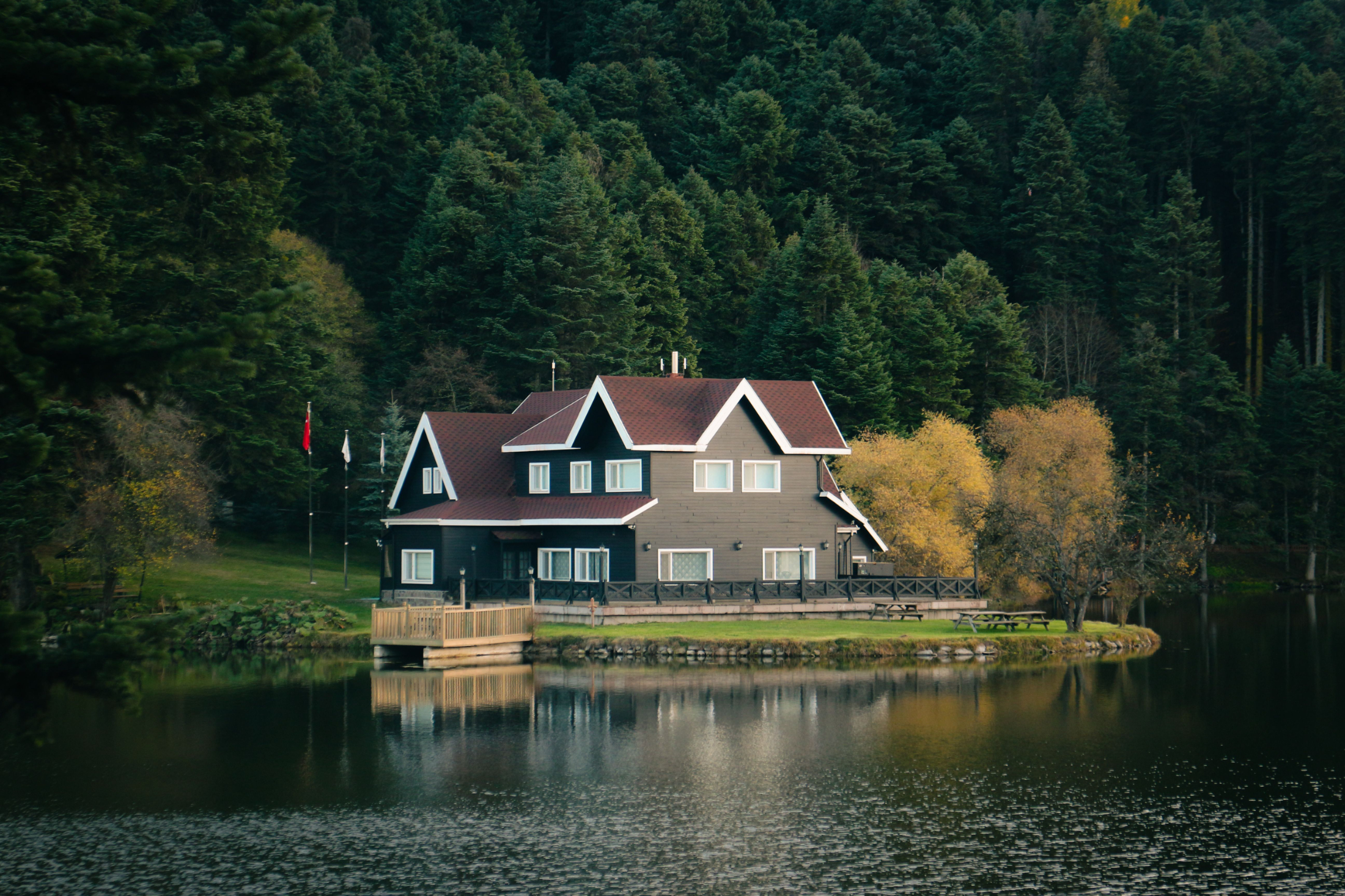
Conclusion
Your dream home was never meant to be defined by a single moment in time. Just as your goals, relationships, and priorities evolve throughout life, your vision of the perfect home can evolve too.
Recognizing that change isn't a sign that you've outgrown your success. It's a reflection of your personal growth.
The most fulfilling homes aren't necessarily the biggest or the most expensive. They're the ones that continue supporting the people who live in them through every stage of life.
As you look toward your next chapter, give yourself permission to redefine what "dream home" means today—not based on who you were years ago, but based on the life you want to build moving forward.
Ready to Explore What's Next?
Whether you're considering a move or simply reflecting on where you are today, taking time to evaluate your options is always worthwhile. Every homeowner's journey is different, and having someone to help you think through those decisions can make all the difference.
When the time feels right, let's have a conversation about your goals, your lifestyle, and what your next chapter could look like. Sometimes, the best real estate decisions begin not with a house—but with a conversation.