
For many families, the meaning of home changes over time.
When children are young, a home often serves as the center of family life. It is where birthdays are celebrated, school projects are completed, holidays are shared, and countless memories are created. Over the years, the home becomes deeply connected to family identity, routines, and traditions.
As children grow older and establish lives of their own, that relationship with home naturally begins to evolve.
Many empty nesters find themselves looking at their property through a different lens than they once did. The home remains meaningful, but its role in everyday life may no longer be the same. Spaces that were once filled with activity become quieter, certain rooms sit unused for long periods, and household priorities begin to shift.
This transition often marks the beginning of an important new chapter.

Adjusting to a New Season of Life
The transition to an empty nest can bring a wide range of emotions.
On one hand, there is often a deep sense of pride in watching children become independent and successful. Parents see years of guidance, support, and sacrifice reflected in their children's growth and accomplishments.
At the same time, there can be feelings of nostalgia as a familiar chapter of life comes to an end.
The daily routines that once revolved around family schedules begin to change. The house may feel quieter than expected, and homeowners often find themselves adjusting to a different pace of life.
These mixed emotions are completely normal and experienced by many families during this stage of life.
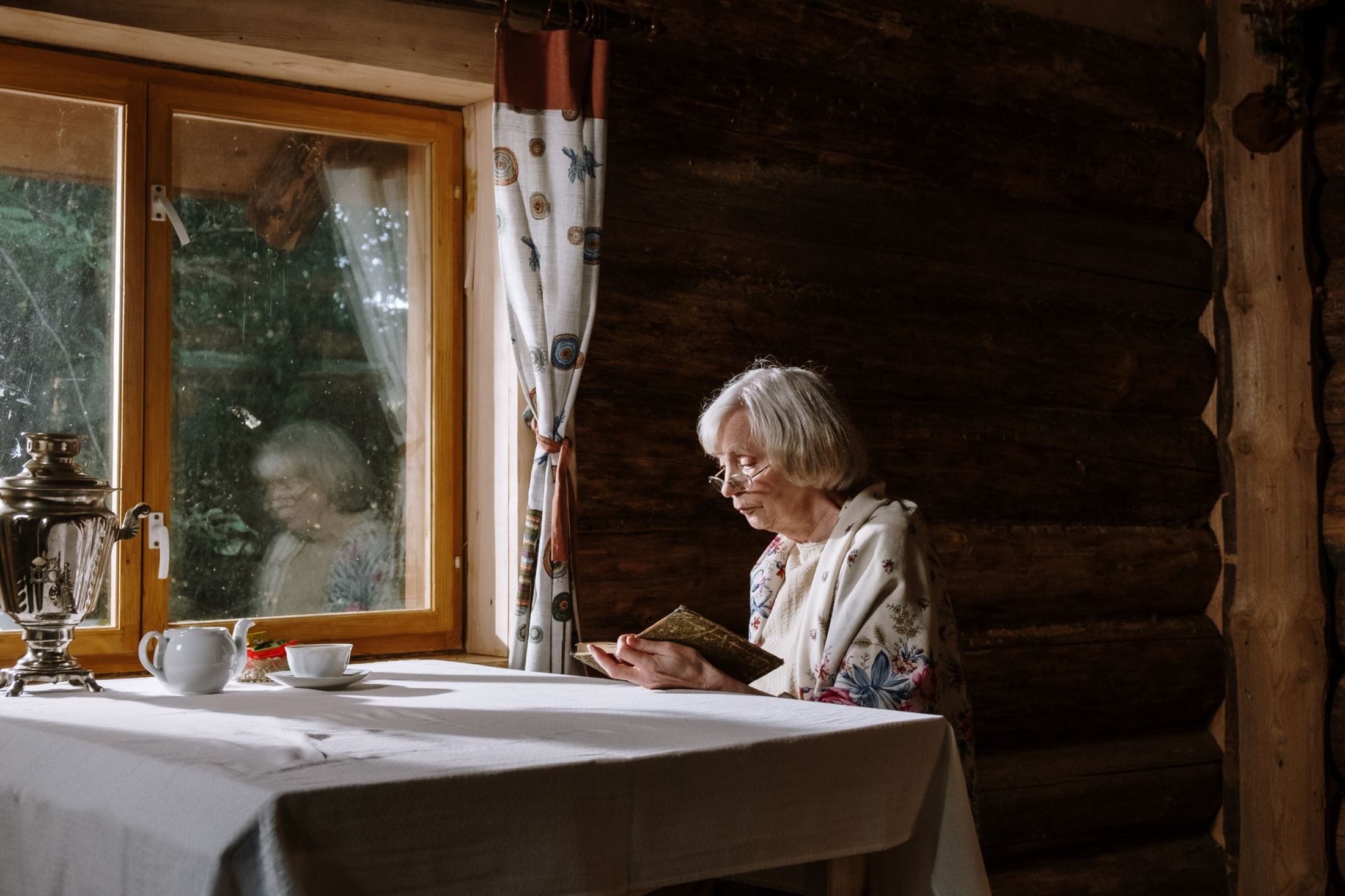
Redefining What Home Means
One of the most interesting aspects of becoming an empty nester is how often it prompts people to rethink what "home" truly means.
For many years, home may have been defined by the space needed to support a growing family. Extra bedrooms, large gathering areas, and proximity to schools may have been top priorities.
As life evolves, however, priorities often change as well.
For some homeowners, home becomes less about square footage and more about connection. Being closer to family members, grandchildren, close friends, or community activities may become increasingly important.
Others begin prioritizing convenience, flexibility, and ease of maintenance over the size of the property itself.
The definition of home starts to shift from what it contains to how it supports everyday life.

Looking Beyond the House Itself
This change in perspective is not necessarily about leaving a family home behind.
Instead, it is about recognizing that home is ultimately defined by how well it supports the people who live there.
A home should provide comfort, convenience, and a sense of belonging. As personal needs and goals evolve, homeowners often begin evaluating whether their current living environment continues to align with the lifestyle they envision for the future.
This process can lead to meaningful conversations about priorities, long-term goals, and quality of life.

Exploring New Possibilities
For some empty nesters, the realization that priorities have changed opens the door to new possibilities.
Some homeowners choose to remain where they are while adapting their space to better fit their current lifestyle. This may involve repurposing unused rooms, simplifying maintenance responsibilities, or making improvements that enhance comfort and accessibility.
Others begin exploring housing options that more closely align with their future plans. They may seek greater convenience, proximity to loved ones, or a home that better supports travel, recreation, and personal interests.
Neither choice is inherently better than the other.
What matters most is understanding how personal priorities have evolved and making decisions that reflect those changes.

Creating a Home for the Future
The concept of home is not fixed.
Just as families grow and change, the meaning of home evolves alongside them. The property that served one chapter of life exceptionally well may continue to do so, or it may no longer align with future goals and lifestyle preferences.
Recognizing this shift allows homeowners to approach the future with intention rather than simply relying on what has always been familiar.
By thoughtfully considering what home means today, empty nesters can create a living environment that supports both their current needs and long-term aspirations.

Final Thoughts
For many empty nesters, the question is not whether their home still holds memories—it always will.
The more important question is whether it continues to support the life they want to live moving forward.
Home is more than a structure. It is a place that provides comfort, connection, and the foundation for everyday experiences. As life enters a new season, redefining what home means can be the first step toward creating a future that feels just as meaningful, fulfilling, and rewarding as the years that came before it.
